
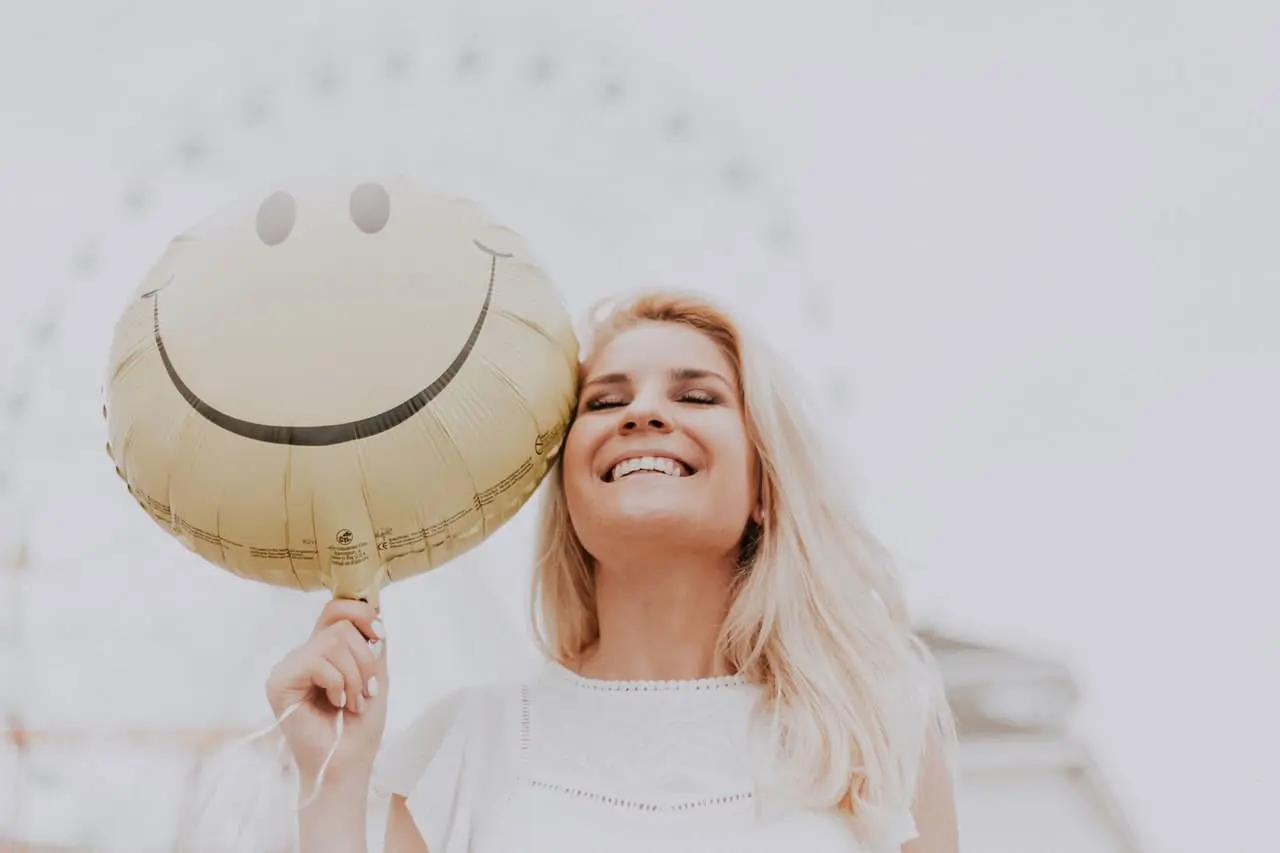
Introduction: The Modern Meaning of Lifestyle
Once a term used primarily by sociologists and marketers, lifestyle has become a deeply personal concept, touching every facet of our daily existence. It describes the patterns that define how we live — what we eat, how we dress, the routines we cherish, the spaces we inhabit, and the choices that shape our days. At its core, lifestyle is more than outward habits; it is a quiet philosophy, an evolving answer to the timeless question: How do I wish to live?
A Brief Reflection: How Lifestyle Became a Choice
Centuries ago, lifestyle was dictated largely by birth and circumstance. One’s social class, region, and faith set a rigid framework for daily life. Industrialization and modernity, however, transformed this fixed destiny into something more fluid.
-
Urbanization and Mobility: As people moved into cities and crossed borders, exposure to different cultures and customs broadened ideas of how one could live.
-
Technology and Globalization: The digital age has made lifestyles visible and aspirational. We can now peek into homes, routines, and habits across continents with a swipe of a screen.
-
Individualism and Self-Expression: Today’s ethos places premium value on curating a lifestyle that feels uniquely one’s own, blending tradition with personal choice.
In this sense, lifestyle has become both a statement and a quiet rebellion against a one-size-fits-all approach to living.
The Pillars of a Balanced Lifestyle
While lifestyles vary endlessly, most revolve around certain universal pillars. These elements, consciously tended to, help craft a life that feels both fulfilling and sustainable.
1. Health and Wellbeing
A truly balanced lifestyle begins with the body and mind. Modern living demands we pay conscious attention to self-care in a world that rarely pauses.
Key practices include:
-
Nutrition: Eating whole, seasonal foods, savoring meals mindfully rather than rushing through them.
-
Movement: Incorporating exercise that brings joy — be it yoga, hiking, cycling, or dancing in one’s living room.
-
Mental Health: Prioritizing rest, setting boundaries, and embracing practices such as meditation, therapy, or simple solitude.
2. Environment and Space
Our surroundings profoundly affect our mood and habits. Many find peace and inspiration in designing a space that mirrors their ideals.
Consider:
-
Decluttering: Minimalism is not about stark emptiness but about making room for what matters.
-
Personal Touches: Artwork, heirlooms, or fresh flowers that bring warmth and personality.
-
Nature’s Presence: Plants, natural light, and organic materials help reconnect us to the rhythms of the earth.
3. Relationships and Community
A fulfilling lifestyle honors connections. In an era of digital communication, nurturing real, meaningful relationships is an intentional act.
Ways to strengthen bonds:
-
Quality Time: Unplugging to share a meal, a walk, or laughter with loved ones.
-
Community Engagement: Joining clubs, volunteering, or participating in neighborhood activities.
-
Rituals: Small traditions — Sunday family dinners, weekly calls to parents, annual gatherings — that anchor us to one another.
4. Work and Purpose
Modern lifestyles increasingly revolve around balancing career ambitions with personal fulfillment.
Healthy work-life integration means:
-
Defining Boundaries: Clear work hours and unplugging fully during downtime.
-
Finding Meaning: Pursuing work that aligns with values, or bringing passion to any role through craftsmanship and care.
-
Continuous Learning: Staying curious, acquiring new skills, and remaining adaptable to change.
5. Leisure and Growth
A well-crafted lifestyle leaves room for play, exploration, and the quiet luxury of doing nothing at all.
Examples include:
-
Travel: Experiencing new cultures, foods, and perspectives.
-
Hobbies: Creative pursuits — painting, writing, gardening — that soothe the mind and feed the spirit.
-
Mindful Consumption: Choosing books, music, and media that uplift and expand one’s world rather than drain it.
Intentional Living: Small Habits, Lasting Change
Designing an authentic lifestyle is not about sweeping reinventions. It is shaped in small, mindful choices woven into daily life.
Simple practices to cultivate intention:
-
Begin the day with a morning ritual — a cup of tea savored slowly, journaling, or a stretch in the sunlight.
-
Reclaim evenings as moments of rest rather than screen-induced exhaustion.
-
Reflect regularly: What feels nourishing? What drains energy? Adjust accordingly.
These micro-decisions, when compounded over time, build the life we ultimately lead.
Modern Challenges: When Lifestyle Becomes Performance
Ironically, the modern obsession with lifestyle can sometimes veer into performance. Social media tempts us to curate not just how we live but how it appears to others.
Some pitfalls to watch for:
-
Comparison Trap: Perfectly filtered images can distort reality and breed dissatisfaction.
-
Overconsumption: Equating lifestyle with constant buying — new clothes, gadgets, décor — rather than mindful living.
-
Losing Authenticity: Adopting trends that look appealing but do not align with one’s true needs or values.
To counter this, many are embracing the concept of slow living — rejecting the relentless pursuit of more in favor of depth, simplicity, and presence.
Conclusion: Living By Design, Not Default
Lifestyle, when stripped of marketing jargon and trends, is really about agency. It is the freedom to choose how we inhabit our days — what we value, whom we love, where we focus our energy.
In a noisy world, crafting an intentional lifestyle is a quiet act of rebellion. It is saying no to autopilot and yes to living awake.
Ultimately, the art of lifestyle design is not about creating an idealized version for others to admire but about weaving daily habits, spaces, and rituals that feel deeply nourishing. A life well lived is not accidental — it is consciously shaped, moment by moment, until the ordinary becomes quietly extraordinary.
And that, perhaps, is the greatest luxury of all.