
Introduction: More Than Meets the Eye
Makeup, to the uninitiated, may appear superficial — a swirl of powders, pigments, and potions designed merely to enhance appearance. Yet beneath the shimmer and gloss lies a practice steeped in ritual, artistry, and psychology. For centuries, makeup has empowered people to express identity, creativity, and confidence. From ancient kohl-rimmed eyes to today’s innovative palettes and techniques, makeup continues to evolve as an intimate extension of self-expression and cultural storytelling.
A Brief History: Tracing Makeup Through the Ages
Humanity’s fascination with altering and embellishing the face dates back millennia. The history of makeup is as rich and varied as the civilizations that wore it.
-
Ancient Civilizations: Egyptians used malachite and kohl to accentuate their eyes, believing it offered spiritual protection as well as aesthetic appeal. Cleopatra’s iconic look was as much a symbol of power as it was beauty.
-
Classical and Medieval Eras: In ancient Rome, both men and women used powders and rouges to signify health and status. During the Elizabethan era, pale faces achieved with lead-based powders were fashionable among the nobility.
-
The 20th Century Boom: The modern cosmetics industry truly exploded in the early 1900s. Iconic brands like Max Factor, Revlon, and Maybelline brought lipstick, mascara, and foundation to the masses, making beauty rituals accessible to everyday women. The post-war decades saw a kaleidoscope of trends — from the winged eyeliner of the ’50s to the bold eyeshadows of the ’80s — each decade leaving its own stamp on makeup’s evolution.
This historical journey reveals that makeup has always been more than surface-level glamour; it’s a mirror reflecting society’s ideals, aspirations, and transformations.
The Psychology of Makeup: Confidence, Ritual, and Identity
For many, makeup is more than a beauty tool — it is a morning ritual, a creative outlet, and sometimes a suit of armor.
Psychological benefits of makeup include:
-
Confidence Booster: Studies show that wearing makeup can enhance self-perception and boost self-esteem. A bold lipstick or flawless foundation can transform how one feels and is perceived.
-
Creative Expression: Makeup is art applied to the canvas of the face. Bold eyes, shimmering highlighters, or graphic liner let people experiment with color, mood, and style.
-
Self-Care Ritual: The process of applying makeup can be meditative — a quiet moment to focus inward before stepping out into the world.
-
Shaping Identity: For some, makeup is a powerful tool for gender expression, cultural celebration, or challenging beauty norms. Drag culture, for example, has elevated makeup to an art form that blurs and plays with identity.
The Modern Industry: An Empire of Innovation and Influence
Today’s global cosmetics industry is a multi-billion-dollar powerhouse that shapes trends and consumer behavior worldwide.
Key trends defining the modern makeup landscape include:
-
Inclusivity: Brands like Fenty Beauty revolutionized the market by launching diverse foundation shades, setting new standards for representation.
-
Clean Beauty: Consumers increasingly demand non-toxic, cruelty-free, and sustainably sourced products. Natural ingredients and eco-friendly packaging are now major selling points.
-
Digital Influence: Social media platforms, especially Instagram and TikTok, have democratized beauty influence. Makeup tutorials, product reviews, and viral challenges drive sales and trends overnight.
-
Hybrid Products: The rise of skincare-infused makeup blurs the line between beauty and wellness, offering foundations with hydrating serums or lipsticks rich in nourishing oils.
This dynamic industry continues to adapt to changing tastes while balancing innovation with ethical responsibility.
Techniques and Trends: The Ever-Changing Face of Beauty
Makeup trends evolve rapidly, reflecting shifts in culture, technology, and collective mood.
Some notable current trends include:
-
Skinimalism: A move toward minimal, natural-looking skin. Sheer foundations, tinted moisturizers, and subtle highlighters emphasize healthy, glowing complexions.
-
Graphic Liner: Bold, artistic eyeliner shapes — from floating creases to neon wings — allow for playful self-expression.
-
Bold Lips and Eyes: Statement lips in deep reds, purples, or unexpected hues make a comeback, paired with minimal base makeup.
-
Experimental Finishes: Glossy eyelids, dewy skin, and shimmering accents push boundaries beyond traditional matte looks.
For many, experimenting with such trends is not about conforming but about finding new ways to feel seen, beautiful, and uniquely themselves.
Makeup as Art: The Role of the Makeup Artist
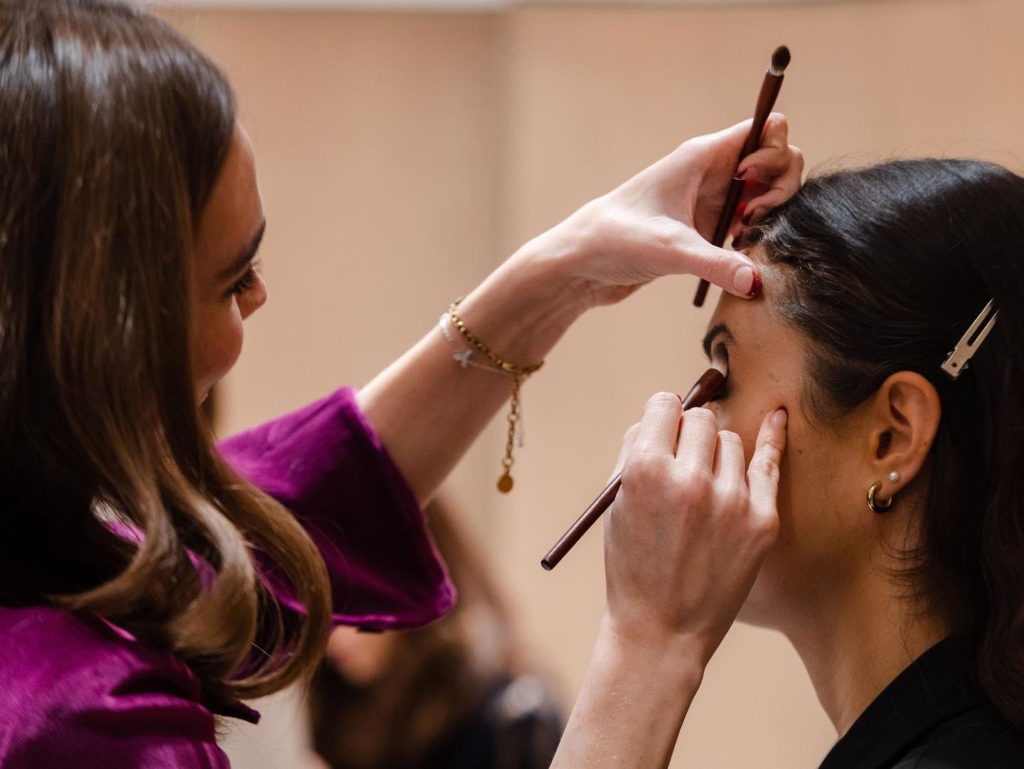
Behind runway shows, red carpets, and editorial shoots stand makeup artists — visionaries who transform faces into living artworks.
Master makeup artists understand the technical aspects of color theory, skin undertones, lighting, and facial anatomy. They also possess an intuitive sense of style and storytelling, adapting looks to suit the occasion, mood, or narrative.
Makeup artists play a pivotal role in:
-
Fashion and Entertainment: Crafting iconic looks that define eras and influence millions.
-
Weddings and Events: Creating timeless, elegant styles for life’s milestone moments.
-
Social Media: Sharing techniques that inspire budding enthusiasts worldwide.
Their craft celebrates the transformative, ephemeral magic of makeup — an art form that washes away with water yet lingers in memory and imagination.
The Ethical Lens: Responsibility and Progress
As with all industries, makeup must grapple with ethical challenges. The rise of conscious consumers has pushed brands to address key concerns:
-
Animal Testing: Many countries have banned animal testing, and cruelty-free certifications are now widely sought.
-
Environmental Impact: Brands are innovating with biodegradable glitter, refillable packaging, and sustainable sourcing.
-
Transparency: Consumers expect honesty about ingredients, supply chains, and corporate practices.
The push toward ethical beauty is not a passing trend but a fundamental shift in how people connect personal care with planetary care.
Conclusion: The Lasting Allure of Makeup
In the end, makeup’s enduring appeal lies in its paradox — it is fleeting yet transformative, intimate yet universal. It can empower, conceal, reveal, and reinvent, all within a few brushstrokes.
From a swipe of mascara before a big meeting to an avant-garde editorial look crafted for a global stage, makeup celebrates humanity’s boundless creativity and desire for self-expression.
Far from vanity, makeup is a testament to our innate love for art, ritual, and reinvention — a tiny pot of pigment holding the power to change not just how we look, but how we feel about facing the world. And that, perhaps, is its most remarkable magic of all.