
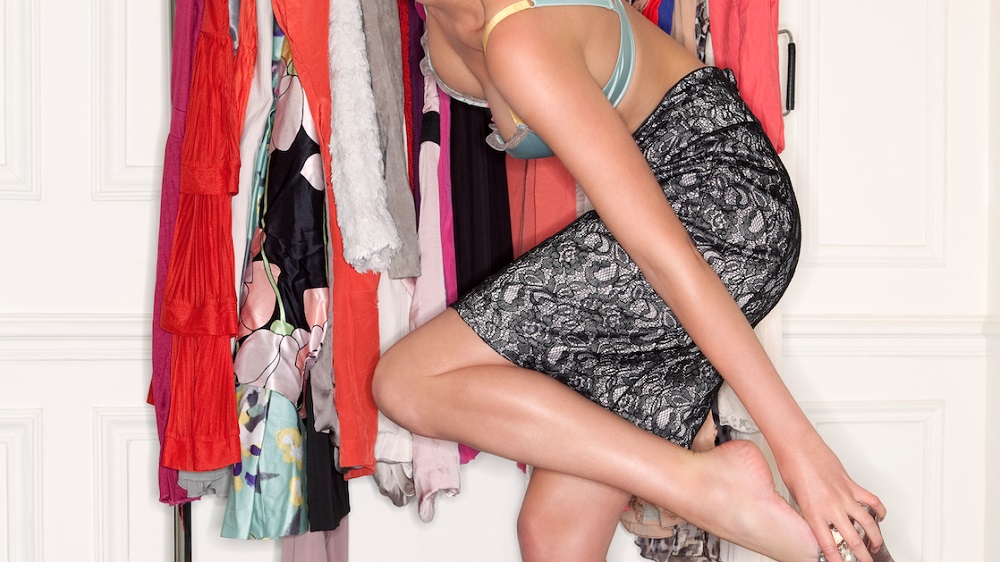
Every time you see a celebrity walk down a red carpet or scroll past a perfectly coordinated outfit on social media, you might wonder how they make clothes look so effortless. The truth is that looking impeccably dressed rarely happens by accident. High-profile fashion stylists rely on a secret playbook of techniques, quick fixes, and tailored strategies refined over years behind the scenes. These methods go far beyond buying expensive designer labels or blindly following seasonal trends. In fact, many of the most transformative style tricks cost very little money or effort to execute. Below is an insider look at the fashion secrets top stylists rarely share, along with practical ways to apply them to your daily wardrobe.
The Magic Is in the Tailoring, Not the Brand
Most people assume that looking high-end requires spending thousands of dollars on luxury clothing. Stylists, however, know that fit is the ultimate marker of quality. An off-the-rack designer dress that sags in the wrong places will always look worse than a budget garment tailored to fit your body precisely.
When celebrity stylists receive garments for clients, those clothes almost never fit perfectly straight off the rack. They immediately alter waistlines, take up hems, shorten sleeves, or add subtle darts to create an ideal silhouette.
Key tailoring adjustments that instantly elevate your clothing:
-
Hemming pants to specific shoe heights: Having trousers hemmed for heels and maintaining a separate pair hemmed for flat shoes ensures the fabric falls cleanly without dragging or bunching.
-
Taking in the waist of blazers and coats: Off-the-rack outerwear is designed to accommodate a wide range of body types, which often leaves the lower back region looking boxy. A quick seamstress adjustment fixes this immediately.
-
Shortening sleeve cuffs: Showing a fraction of an inch of wrist or shirt cuff creates an intentional, refined appearance that makes jackets look custom-made.
Undergarments Do the Heavy Lifting
The foundation of any great outfit begins long before you put on your outer layers. Stylists consider undergarments to be structural architecture. The wrong bra, visible panty lines, or improper support can instantly ruin the line of an otherwise gorgeous dress.
One major misconception is that white undergarments should be worn beneath thin white clothing. In reality, white underwear stands out sharply against most skin tones under bright light. Stylists always opt for seamless undergarments in shades that match the wearer’s natural skin tone, as nude tones vanish entirely under light-colored fabrics.
Furthermore, choosing the right shapewear is less about compression and more about smoothing texture. Smooth foundation layers eliminate unwanted seams, ridges, and friction, allowing silk, satin, and jersey fabrics to drape fluidly without clinging.
Texture and Fabric Proportions Matter More Than Trends
If an outfit feels flat or boring despite being well-fitted, the culprit is usually a lack of textural contrast. Top stylists rarely combine garments made from identical or overly similar fabrics unless they are deliberate matching suits. Instead, they play with tactile variety to create visual interest.
Try incorporating these complementary fabric combinations:
-
Chunky knits with sleek silk or satin: Pairing a heavy wool sweater with a soft silk slip skirt creates a balance between cozy and refined.
-
Structured leather with soft cotton: A tailored leather jacket instantly gives a relaxed cotton t-shirt a sharp, elevated edge.
-
Rough denim with delicate lace or chiffon: The contrast between rugged and soft materials adds depth and personality to everyday casual wear.
Beyond texture, proportion plays a critical role in how an outfit is perceived. Stylists frequently utilize the rule of thirds rather than splitting the body visually in half. Dividing your outfit into a one-third top and two-thirds bottom ratio, such as wearing high-waisted trousers with a tucked-in blouse, creates a longer, more flattering vertical line.
The Unsung Hero Wardrobe Tools in Every Stylist Kit
When you peek into a stylist’s emergency kit on a photo shoot or backstage at a fashion show, you will find practical utility tools rather than high-end fashion items. These humble accessories solve common wardrobe malfunctions in seconds and ensure clothes look pristine from every angle.
Essential wardrobe tools every closet needs:
-
Double-sided fashion tape: Used to keep plunging necklines in place, prevent button gaps on dress shirts, and hold unhemmed pants temporarily.
-
Handheld garment steamer: Ironing can crush delicate fabric fibers and leave shiny marks on dark wool. A steamer gently relaxes wrinkles while restoring the natural volume of the fabric.
-
Fabric shaver or de-fuzzer: Pilling instantly makes sweaters and coats look worn out. Removing pills regularly restores garments to brand-new condition.
-
Microfiber lint rollers and static guards: Static cling can cause skirts to stick awkwardly to your legs, while dust and pet hair ruin dark outfits. Keeping these tools nearby ensures a spotless presentation.
Mastering the Art of High-Low Styling
Stylists rarely dress their clients head-to-toe in a single luxury brand, as doing so can look rigid or overly commercial. The real trick to modern dressing is mastering high-low coordination, which means pairing premium investment pieces with accessible everyday basics.
To master this approach, invest heavily in items that experience high wear and structural demands, such as tailored coats, leather shoes, structural handbags, and classic blazers. Then, complement those focal pieces with affordable basics like plain t-shirts, simple tank tops, and standard denim. The quality of the high-end pieces elevates the entire ensemble, making the budget garments look significantly more expensive by association.
Monochromatic Dressing for Instant Polish
When a stylist needs to pull together a sophisticated look in a matter of minutes, they turn to monochromatic dressing. Wearing shades of a single color from head to toe creates an uninterrupted vertical line that elongates the frame and gives off an air of effortless luxury.
You do not need to match colors perfectly. In fact, mixing varying tones, shades, and textures of the same color family, such as cream, beige, camel, and ivory, looks far more dynamic than matching exact swatches. Neutral tones like navy, grey, olive, and chocolate brown work exceptionally well for this technique.
Frequently Asked Questions
How do you properly care for delicate fabrics at home without frequent dry cleaning?
Gentle hand washing in cold water using a mild laundry detergent or specialized wool wash works best for silk, cashmere, and fine knits. Press out excess water using a clean towel instead of wringing the fabric, and lay the garment flat on a drying rack away from direct sunlight. Steam garments between wears to eliminate light odors and bacteria without harsh chemical processing.
What is the best strategy for organizing a closet to make outfit building effortless?
Organize your wardrobe first by category (shirts, pants, jackets, dresses) and then by color within each category from light to dark. Keep seasonal items out of sight to reduce visual clutter. Grouping garments this way allows you to clearly see your options and quickly mix textures and colors without searching through mismatched hangers.
How can you determine your skin undertone to choose the most flattering clothing colors?
Examine the veins on the inside of your wrist under natural sunlight. If your veins appear green or olive, you likely have warm undertones and look best in earth tones, golds, and warm reds. If your veins appear blue or purple, you have cool undertones and complement silver, crisp whites, blues, and cool pinks. If you see a mix of both, you likely have neutral undertones and can wear most shades comfortably.
What are the essential shoe styles every versatile wardrobe should contain?
A complete footwear foundation includes five key styles: classic white leather sneakers for elevated casual wear, pointed-toe flats or loafers for comfortable polished days, neutral pumps or minimalist strap heels for formal events, ankle boots for transitional weather, and knee-high leather boots for colder months.
How do you stop itchy wool sweaters from irritating your skin?
To soften scratchy wool fibers, submerge the sweater in a basin of cool water mixed with two tablespoons of hair conditioner or liquid fabric softener. Let it soak for twenty minutes, gently squeeze out the liquid without twisting, and rinse thoroughly with cold water. Lay it flat to dry. Wearing a seamless microfiber or cotton base layer underneath also prevents direct skin contact.
How can you make inexpensive jewelry look high-end and prevent rapid tarnishing?
Apply a thin coat of clear nail polish or specialized jewelry sealant to the metal surfaces that touch your skin. Store costume jewelry in airtight sealable plastic bags with anti-tarnish strips to prevent oxidation caused by humidity and air exposure. Always apply perfumes, lotions, and hairsprays before putting on jewelry to prevent chemical degradation.
What is the standard guideline for pairing accessories with busy or patterned outfits?
When wearing bold patterns or complex textures, select one dominant color from the print and match your accessories to that specific shade. Keep the shapes of your bags and shoes simple and structured to avoid competing visually with the pattern. If the outfit features strong color variance, neutral accessories in tan, nude, or black serve as the best anchoring elements.