
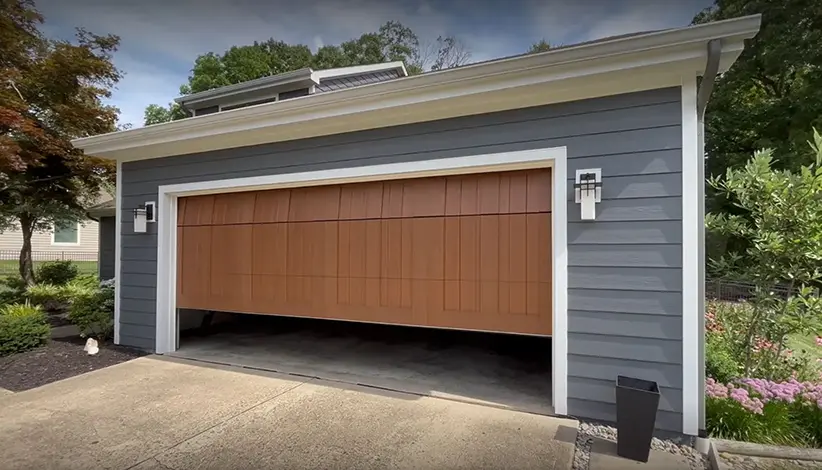
The old rule was simple. You painted the front door a bold color, hung a wreath, swept the porch, and called it curb appeal. The garage door was hardware. Nobody looked at it, nobody thought about it, and that was fine because it sat off to the side of the frame in every photo that mattered.
That rule doesn’t hold anymore. Attached garages sit dead center on most American facades now, driveways pull the eye straight to them, and buyers scrolling listings on their phones see the garage door before they see anything else. That shift changes what deserves your attention when you’re deciding where to spend, what to replace, and what to leave alone.
Decide Whether the Garage Door Is Actually Your Front Door
Before you spend a dollar on the exterior, be honest about how the house gets used. If you pull into the garage every night, unload groceries through the interior door, and only open the front door for the mail carrier, the garage door is functioning as your main entrance. Guests notice that pattern too, because it’s the door they watch you use.
There’s data behind the hunch. If that describes your household, the garage door isn’t a side character. It’s the thing you touch every day and the thing arriving guests see first, and the budget should reflect that.
Choose Between Cosmetic Fixes and Structural Ones
Once you accept that the garage door matters, the next decision is where the money goes. A door can look tired for two very different reasons, and the fix for one has almost nothing to do with the fix for the other.
- Cosmetic wear. Faded paint, a dented bottom panel, sun-bleached hardware, a builder-grade white door that clashes with a repainted house. These are cheap to address. Paint, new decorative hardware, or a single panel swap can pull the whole facade forward without touching the mechanics.
- Structural wear. Springs that groan, cables that fray, rollers that skip, panels that flex when the door lifts. These are safety issues in a cosmetic disguise, and paint won’t help. Springs in particular are consumables with a real service life, and ignoring them can turn a manageable repair into a much bigger one. A useful primer on how long springs actually last will tell you whether yours are early, mid, or end-of-life.
- Both at once. If the door looks tired and sounds tired, replacement usually beats piecemeal repair. You get the aesthetic lift and reset the clock on the mechanicals in the same move.
Weigh Repair Against Full Replacement
A full replacement is the bigger check, but it isn’t automatically the bigger question. If your door is under ten years old, insulated, and structurally sound, repair almost always wins. If it’s an uninsulated single-layer door from two owners ago, replacement usually wins, even when repair is technically possible.
Resale math tilts the decision too. Garage door replacement consistently ranks among the higher-returning exterior projects, largely because it’s visible from the street and buyers register it instantly. If you’re planning to sell within a few years, a new door is one of the few upgrades that shows up in listing photos and appraiser notes at the same time.
Decide What to Fix Before You List
If a sale is on the horizon, the math tightens. You’re not spending to enjoy the house anymore. You’re spending to shorten days on market and defend the asking price.
Agents lean hard on exterior work for a reason. In the 2023 Remodeling Impact Report on outdoor features, the overwhelming majority of realtors said they recommend sellers improve curb appeal before listing. The garage door sits at the center of that recommendation because it’s large, immediate, and easy to photograph. A dented or mismatched door will drag every other exterior investment down with it.
The order matters. Handle mechanical issues first so nothing groans during a showing, then move to the cosmetics. A buyer who hears a spring bark on the way in has already started subtracting from your price.
Pick Your Upgrade Priorities in the Right Order
If you’ve decided to invest, spend in the order that pays back the fastest. Safety and function before style, and style before gadgets.
- Springs, cables, and rollers. These are the parts that fail loudly and dangerously. Fix them first, every time.
- Insulation and weather sealing. An insulated door pays back in comfort and utility bills, especially if the garage shares a wall with living space.
- The door itself. Panel style, color, and window layout. This is the part guests actually see, and it’s where a modest budget shows up loudest.
- Smart opener and hardware. Useful, but a smart opener on a failing door is a very expensive way to get notifications about a problem you should have fixed first.
The front door still matters. But if the garage door dominates your home’s facade, that’s where your curb appeal begins. Spend accordingly.