
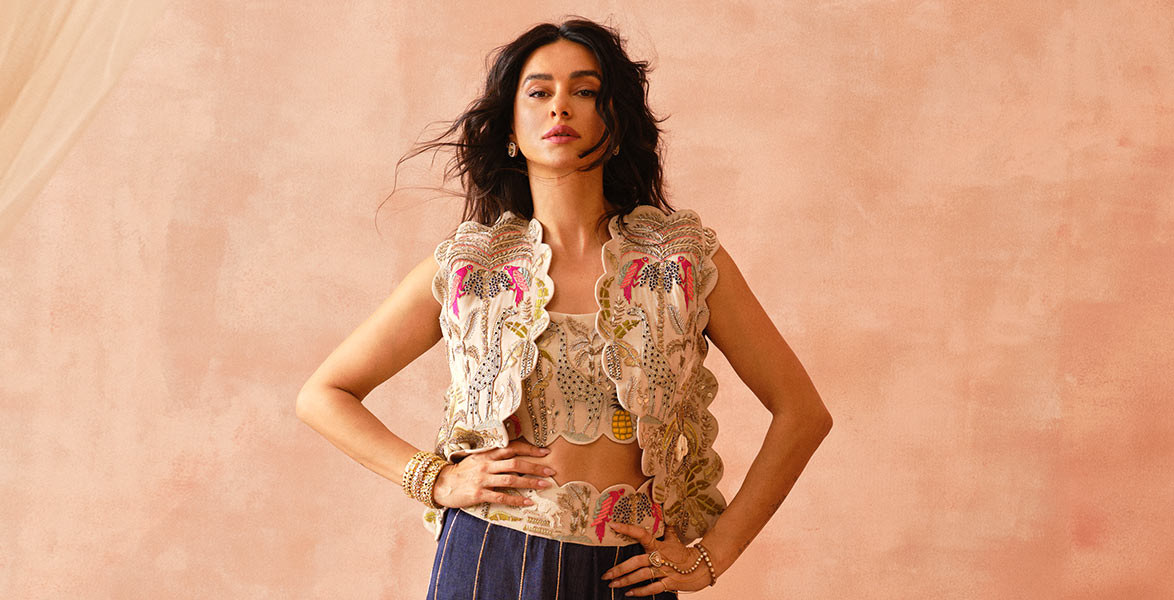
The boundaries separating daily personal habits from modern aesthetics have largely dissolved. How people work, exercise, relax, and interact with technology now directly shapes what they wear on their bodies and apply to their skin. Rather than looking strictly to elite design houses or isolated runway shows for inspiration, the global fashion and beauty industries increasingly mirror broader cultural shifts in consumer lifestyle.
From the rise of remote work environments to a universal obsession with preventative health, daily routines dictate purchasing decisions. Understanding these fundamental lifestyle changes illuminates why specific garments, ingredient formulations, and aesthetic philosophies dominate the current retail landscape.
The Rise of Remote and Hybrid Work Environments
The permanent integration of flexible work models altered the practical requirements of everyday attire. The traditional division between formal office wear and casual home clothing has given way to versatile wardrobe options designed for comfort and professional adaptability.
-
Elevated Comfort: Tailored loungewear, knit blazers, and stretch-infused trousers have replaced rigid suit structures. Consumers demand fabrics that feel soft against the skin while maintaining a clean, structured silhouette suitable for video calls.
-
Focus on Above-the-Waist Styling: Remote communication platforms have shifted optical focus toward the upper body. Statement collars, textured tops, targeted necklines, and lightweight earrings have experienced sustained growth as individuals seek effortless professional presentation.
-
Streamlined Cosmetics: The demand for heavy, full-coverage foundations has yielded to skin-first makeup routines. Tinted moisturizers, light-reflecting primers, and lip oils allow workers to look refreshed on screen without spending excessive time on complex application rituals.
This functional pivot reflects a wider desire for wardrobe efficiency, where single garments seamlessly transition from home offices to social engagements.
Wellness and Longevity as Aesthetic Philosophies
Health and personal well-being have transformed from private self-care activities into core components of personal identity. Modern consumers increasingly treat outward appearance as a direct manifestation of internal health, elevating wellness culture into a primary aesthetic driver.
The Integration of Fitness and Active Wear
Athleisure has matured from a passing trend into a foundational category of contemporary apparel. The widespread prioritization of daily movement, boutique fitness classes, and outdoor recreation created a need for performance apparel that looks sophisticated outside gym settings. High-waisted leggings paired with tailored trench coats, performance sneakers styled with dresses, and technical outerwear built for climate resilience demonstrate how active lifestyles dictate daily fashion choices.
Skincare-Driven Beauty Standard
The influence of wellness is equally pronounced in the cosmetics sector, where the boundary between skin treatment and decorative makeup continues to blur.
-
Active Formulations: Foundations, concealers, and blushes are now routinely infused with hydrating hyaluronic acid, barrier-repairing ceramides, and protective antioxidants.
-
Preventative Skincare Focus: Consumers invest heavily in sun protection, barrier support serums, and non-invasive topical treatments designed to preserve long-term dermal health.
-
The Luminous Skin Ideal: Dewy, hydrated finishes have eclipsed ultra-matte looks. The goal of modern beauty routines is to display radiant, healthy skin that signals optimal hydration and rest.
Environmental Consciousness and Ethical Living
Evolving lifestyle values centered on environmental stewardship have fundamentally altered consumer relationships with brands. Heightened awareness regarding waste, resource depletion, and labor ethics has elevated sustainability from a secondary consideration to a mandatory requirement for many shoppers.
-
Capsule Wardrobes and Longevity: Rather than participating in rapid micro-trend cycles, an increasing segment of buyers prioritizes high-quality, timeless wardrobe staples. The concept of buying fewer, better items encourages investment in durable fabrics like organic linen, traceably sourced wool, and high-grade recycled synthetics.
-
Circular Fashion Practices: Resale platforms, garment rental services, and visible repair techniques have gained mainstream approval. Wearing pre-owned designer items or visible mended apparel now carries social prestige, aligning personal style with ecological values.
-
Refillable and Clean Formulations: In the beauty aisle, packaging waste has drawn intense consumer scrutiny. Brands responding to this lifestyle shift prioritize post-consumer recycled plastics, waterless product formats, biodesign ingredients, and refillable glass compacts.
Technological Integration and Digital Identity
Digital habits and technological advancements continually alter how individuals discover, test, and purchase personal care products and apparel. Living in an increasingly digitized society influences both the functional aspects of product design and the aesthetic choices of consumers.
Digital Shopping and Customization
Augmented reality virtual try-ons and artificial intelligence skin diagnostics have changed consumer expectations. Shoppers expect precise foundation color matching, personalized serum recommendations, and customized apparel sizing generated through smartphone sensors. This reliance on data-driven personalization reduces consumer friction and accelerates trend adoption.
Futuristic and Y2K Digital Aesthetics
Screen time and digital subcultures directly color visual aesthetics. Metallics, chrome accents, iridescent highlighter finishes, and bold graphic liners draw clear creative inspiration from virtual environments and early digital nostalgia. Modern makeup looks often blend realistic skin textures with hyper-pigmented, futuristic eye accents, reflecting a culture that navigates physical and digital worlds simultaneously.
Outdoor Exploration and Climate-Adaptive Living
Growing participation in outdoor recreational activities, combined with fluctuating global weather patterns, has popularized functional, weather-ready apparel and protective beauty formulations.
Gorpcore and Technical Apparel
The integration of wilderness gear into urban fashion, commonly referred to as gorpcore, stems from a general lifestyle shift toward outdoor recreation and casual utility.
Gore-Tex jackets, trail running shoes, cargo pockets, and adjustable drawstrings are now standard streetwear elements. Consumers value the practical utility of water-repellent coatings and durable textiles, preferring garments that withstand variable weather conditions without sacrificing visual appeal.
Environmental Shielding in Beauty
Skincare innovation has adapted to protect against modern environmental stressors. Skincare routines now routinely incorporate broad-spectrum blue light protection to counter screen exposure, anti-pollution topical barriers, and extreme climate defense balms designed for harsh conditions. This focus on climate-adaptive beauty reflects an understanding that environmental factors continuously impact skin health.
Frequently Asked Questions
How has the shift toward hybrid work impacted the handbag industry?
The transition to hybrid work schedules changed functional demands for everyday bags. Micro-bags and unstructured clutches have largely been replaced by spacious, durable tote bags and sleek backpacks capable of holding laptops, chargers, lunch containers, and personal items. Consumers prioritize structured compartments, water-resistant linings, and neutral color palettes that match both professional attire and casual weekend outfits.
What is driving the popularity of multi-use beauty products?
The interest in multi-use beauty products stems from consumer desires for streamlined routines, cost efficiency, and reduced packaging waste. Lip-and-cheek tints, hydration balms that act as highlighters, and SPF moisturizers allow individuals to shorten their morning preparations while keeping their beauty kits minimal and travel-friendly.
Why are natural and mineral sunscreens gaining momentum in daily routines?
Natural and mineral sunscreens containing zinc oxide or titanium dioxide have grown in popularity due to heightened awareness surrounding skin sensitivity, reef-safe environmental impacts, and preventative aging care. Modern chemical-free sunscreens are formulated with micro-fine particles that eliminate traditional white residue, making them comfortable for daily wear under makeup.
How does the emphasis on mental health influence fashion color palettes?
Mental health and emotional well-being priorities have encouraged the use of intentional color choices in apparel design. Soft, soothing tones such as sage green, lavender, warm terracotta, and muted blue are widely used in loungewear and everyday collections to promote a sense of calm and comfort. Conversely, vibrant jewel tones are frequently adopted for mood-boosting benefits, allowing wearers to express confidence and energy.
What role do wearable fitness trackers play in shaping modern personal style?
Wearable tech devices have evolved from purely functional plastic accessories into sophisticated fashion statements. High-end jewelers and watchmakers regularly partner with tech firms to produce elegant leather bands, metal mesh straps, and polished smart rings. This integration allows users to continuously monitor health metrics without compromising a refined visual style.
How are gender-neutral lifestyle choices altering retail store layouts?
As fluid approaches to personal style become more widespread, traditional gender-segregated floor plans are changing. Major apparel retailers increasingly feature unisex or gender-neutral collections organized by fit, color, or function rather than rigid men’s or women’s categories. This layout modification accommodates modern consumers who choose garments based on personal comfort, silhouette preference, and utility rather than traditional marketing divisions.
How has sleep hygiene culture affected fashion and beauty product categories?
An increased cultural focus on sleep hygiene has created thriving market segments centered on nighttime recovery. In fashion, this translates to heightened demand for temperature-regulating silk pajamas, bamboo sleepwear, and weighted eye masks. In beauty, nighttime routines have expanded to include overnight barrier-repair masks, scalp serums, and soothing aromatherapy mist blends formulated to enhance sleep quality while supporting skin regeneration.