
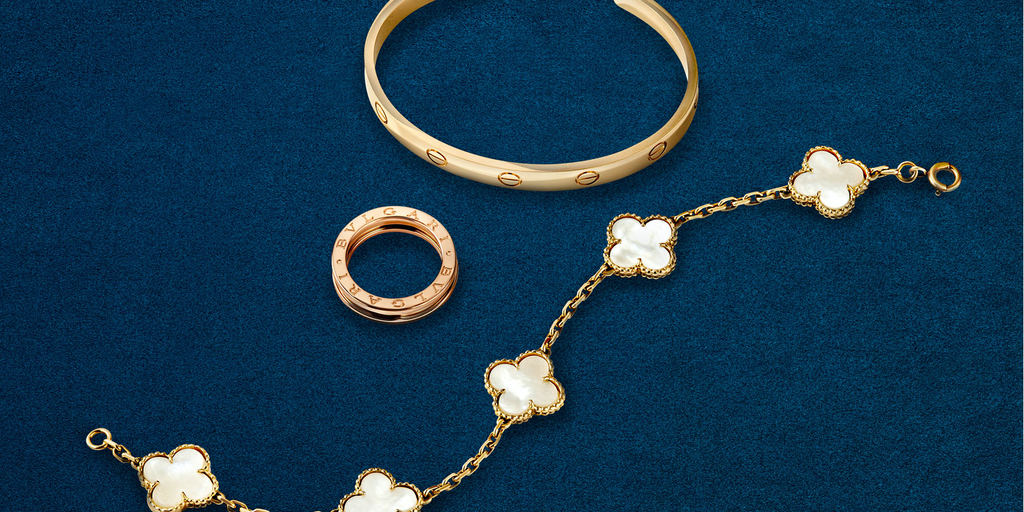
Introduction: Adornment Beyond Ornament
Jewelry has long transcended its status as mere accessory; it is one of humanity’s earliest and most enduring forms of self-expression. From the simplest string of shells worn by prehistoric peoples to the diamond-studded tiaras of royalty, jewelry is a language written in gold, gems, and craftsmanship. It speaks of wealth and status, but also of love, spirituality, heritage, and personal identity. At its finest, jewelry is not only beautiful — it is symbolic, storytelling, and steeped in tradition.
A Glittering Heritage: The History of Human Adornment
To trace the history of jewelry is to trace the evolution of civilization itself. Every era and culture has added its own chapter to this glittering chronicle.
-
Ancient Beginnings: Archaeological discoveries reveal that our ancestors crafted beads from bones and stones over 100,000 years ago. These early ornaments were worn as amulets, believed to protect or empower the wearer.
-
Royal Treasures: In ancient Egypt, jewelry was both decoration and declaration — of divine connection, royal rank, and the journey to the afterlife. The Greeks and Romans further refined metalworking, setting semi-precious stones into intricate designs.
-
Cultural Expressions: Across Asia, elaborate gold and gemstone pieces have adorned brides for centuries, signifying prosperity and blessing. Native American and African cultures have long used jewelry as markers of tribe, status, and ritual significance.
Each artifact unearthed reminds us that jewelry is never simply about aesthetics — it has always carried deep symbolic weight.
Jewelry as Status and Sentiment
Jewelry’s value lies not only in its materials but in its meaning. For millennia, rulers have used jewels to project power, families to preserve wealth, and lovers to seal promises.
-
Symbols of Power: Crowns, scepters, and ceremonial pieces brimming with gemstones have long signified authority and divine right.
-
Tokens of Love: Engagement rings, lockets, and heirloom pieces pass down intimate family histories, binding generations through tangible reminders of affection.
-
Spiritual Significance: From rosaries to talismans and birthstone charms, many pieces carry spiritual or protective associations that reach across cultures.
The emotional resonance of jewelry often outweighs its monetary worth — a modest gold band inherited from a grandmother may be treasured far more than the costliest diamond necklace.
The Craftsmanship: Where Art Meets Precision
Behind every exquisite piece lies a remarkable union of artistry and technique. Jewelry-making is an ancient craft that has adapted with the times while preserving time-honored skills.
-
Traditional Techniques: Filigree, granulation, enameling, and hand-setting stones are delicate arts passed from master to apprentice across centuries.
-
Modern Innovations: Today’s jewelers blend technology with tradition. Computer-aided design (CAD), 3D printing, and advanced laser cutting allow for breathtaking precision and bespoke creations once unimaginable.
-
Artisan Revival: Amid mass production, there is a growing reverence for handcrafted pieces that honor regional craft heritage — from Jaipur’s polki diamonds to Italy’s renowned goldsmiths.
In the hands of a master jeweler, raw metal and uncut stones are transformed into wearable works of art that can endure for generations.
The Business of Brilliance: A Global Industry
The jewelry industry is a multi-billion-dollar global force, encompassing everything from luxury houses and independent designers to ethical mining and sustainable sourcing.
Key aspects shaping the contemporary jewelry market include:
-
Ethical Sourcing: With consumers demanding transparency, the industry is increasingly focused on conflict-free diamonds, fair-trade gold, and responsible mining practices.
-
Customization: Personalized jewelry is on the rise — from engraved charms to bespoke engagement rings crafted to tell an individual story.
-
Investment Value: Beyond adornment, fine jewelry often serves as a store of value, with gold and precious gems considered safe havens during economic uncertainty.
-
Luxury and Branding: Iconic brands such as Cartier, Tiffany & Co., and Bulgari blend legacy craftsmanship with marketing mastery, elevating their creations to symbols of status and aspiration.
Despite its glittering image, the industry faces challenges — balancing supply chain ethics, environmental impact, and changing consumer tastes in a digitally driven world.
Jewelry in the Modern Era: A Reflection of Evolving Values
While the allure of diamonds and gold remains undiminished, the modern relationship with jewelry is evolving. Today, people seek meaning, sustainability, and self-expression as much as sparkle.
Emerging trends include:
-
Minimalism: Many favor delicate, versatile pieces that layer seamlessly into daily life, moving away from ostentatious displays.
-
Gender Fluidity: Jewelry is increasingly unbound by traditional gender norms, with unisex and non-binary collections gaining popularity.
-
Sustainable Luxury: Vintage and upcycled jewelry are prized for their unique stories and lower environmental footprint.
-
Technology Meets Tradition: Smart jewelry — from rings that track fitness to pendants that store digital memories — hints at the future of adornment as both functional and ornamental.
This evolution signals a shift: jewelry is returning to its roots as deeply personal and symbolic, rather than merely transactional.
Caring for the Legacy: Preservation and Heirlooms
Part of jewelry’s enduring charm lies in its ability to be passed down — a diamond ring, a string of pearls, a signet ring engraved with a family crest. Proper care ensures these precious items continue their journey through generations.
-
Regular Maintenance: Routine cleaning, prong checks, and professional inspections prevent damage and stone loss.
-
Safe Storage: Jewelry should be stored properly, ideally in lined boxes or pouches to avoid scratches.
-
Resizing and Restoration: Many heirlooms are given new life through skilled resizing or resetting, preserving their sentiment while suiting modern tastes.
Such stewardship honors not just the material value but the memories and milestones embedded in every piece.
Conclusion: The Stories We Wear
Jewelry’s enduring appeal is rooted in its dual nature — as art and artifact, commodity and keepsake. It is a reflection of beauty, wealth, craftsmanship, and identity, but also of emotion, history, and hope.
Long after the trends of the moment fade, a treasured piece remains, shimmering with memories and meaning. In a world that rushes toward the new, jewelry reminds us of the timeless truth that some treasures only grow more beautiful with age.
Perhaps this is why, throughout centuries and across continents, humanity has never tired of adorning itself with tiny miracles of metal and stone — silent storytellers we carry close to the skin, binding past, present, and future in a glint of gold or a sparkle of diamond.