
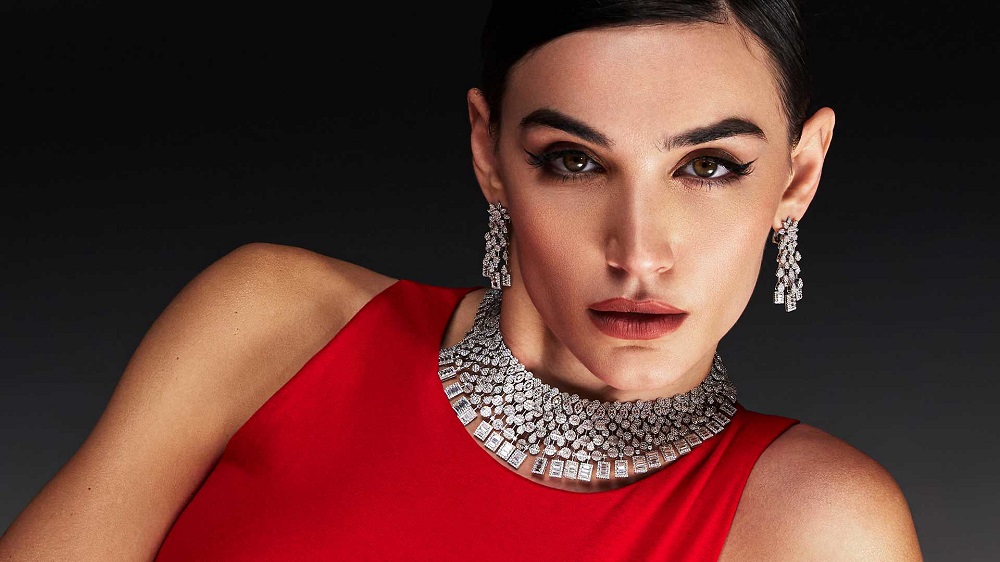
Jewelry has always served as a symbol of status, personal expression, and artistic craftsmanship. However, the speed at which specific jewelry styles transition from high-fashion concepts into everyday consumer wardrobes is largely driven by public figures. Celebrities occupy a unique position at the intersection of media visibility, luxury branding, and personal style. Whether walking the red carpet at a major award ceremony, posting a casual photo on social media, or attending a high-profile wedding, famous personalities exert a profound influence on jewelry fashion trends.
Their choices dictate which gemstones experience market surges, which historical aesthetics return to popularity, and how different demographic groups choose to accessorize. Understanding this dynamic reveals how public figures transform individual design pieces into global movements across the fashion industry.
Historical Perspective: From Classic Hollywood to Modern Icons
Celebrity influence over accessories is not a modern phenomenon, though its mechanisms have evolved over time. During the Golden Age of Hollywood, movie stars were the primary catalysts for jewelry trends. Screen icons established standards of glamour that captivated audiences worldwide.
-
Audrey Hepburn popularized statement pearl necklaces and elegant, understated diamond studs through her film roles and public appearances, entrenching pearls as a staple of refined wardrobe design.
-
Elizabeth Taylor elevated public fascination with rare, massive colored gemstones and diamonds. Her famous acquisition of extraordinary diamonds demonstrated the power of celebrity ownership to heighten global appreciation for fine gemology.
-
Princess Diana single-handedly reshaped the engagement ring market in the early 1980s by selecting a blue sapphire surrounded by diamonds. This choice challenged the traditional dominance of solitaire diamond engagement rings and created a lasting market demand for colored gemstone centerpieces.
In previous decades, trends moved gradually through print magazines and cinematic releases. Today, modern figures build upon this legacy with unprecedented speed, turning single outfit choices into instant retail phenomena.
The Power of Red Carpet Events and High-Profile Appearances
Red carpet events such as the Academy Awards, the Met Gala, and international film festivals function as premier showcases for high jewelry. Luxury houses partner with prominent actors, musicians, and models to display custom or archival pieces before a global audience of millions.
When a celebrity wears a standout item during these events, the impact on consumer search behavior and jewelry manufacturing is immediate. A dramatic emerald choker worn at a premiere can cause an immediate uptick in consumer searches for green gemstone necklaces. Similarly, the appearance of oversized diamond cocktail rings at award ceremonies frequently signals a broader shift toward bold, single-piece statements in evening wear.
Red carpet appearances also serve as testing grounds for emerging design aesthetics. Designers use these events to introduce avant-garde concepts, such as architectural ear cuffs, asymmetrical arrangements, and unconventional metal combinations. Once a high-profile figure demonstrates how to wear these daring pieces with confidence, consumers feel more comfortable adopting softer, more wearable versions of those styles in their daily routines.
Social Media as an Instant Fashion Accelerator
While red carpet events provide structured glamour, social media platforms have transformed how celebrity jewelry choices reach the public. Platforms like Instagram and TikTok allow stars to share candid moments, street-style outfits, and behind-the-scenes preparation, giving followers an unscripted look at their personal collections.
-
Layered Chains and Minimalist Gold: High-profile models and digital influencers regularly post casual selfies featuring layered gold necklaces, thin chain bracelets, and stacked delicate rings. This casual presentation transformed minimalist gold layering from an informal habit into a dominant retail trend.
-
Chunky Vintage Aesthetics: Photographs of musicians and content creators pairing heavy vintage chains or retro signet rings with streetwear have fueled a massive resurgence in 1980s and 1990s aesthetic revivals.
-
The Micro-Trend Effect: Social media shortens the feedback loop between observation and purchase. Within hours of an influential star wearing a unique accessory, e-commerce retailers begin highlighting similar items to capitalize on viral interest.
This direct communication line bypasses traditional media filters, allowing celebrities to establish micro-trends instantly among younger, digitally connected demographics.
Gender-Fluid Jewelry Trends Driven by Male Celebrities
One of the most noticeable shifts in contemporary jewelry fashion is the breakdown of traditional gender barriers, largely driven by high-profile male artists and actors. Historically, mainstream jewelry marketing for men was confined to utilitarian items such as watches, wedding bands, and classic cuff links.
Modern male stars have completely altered this landscape by incorporating traditionally feminine styles into their wardrobes. Musicians and actors frequently wear multi-strand pearl necklaces, drop earrings, and elaborate lapel brooches during press tours and live performances.
This visibility has normalized fine jewelry ownership for men across the globe. Jewelry brands have responded by expanding their unisex collections and creating marketing campaigns specifically tailored to men seeking expressive, non-traditional accessories. The rapid growth of lapel brooches on men’s tailored suits during formal events highlights how male celebrity choices continue to redefine modern wardrobe standards.
High-End Collaborations and Custom Brand Partnerships
The relationship between celebrities and luxury houses goes beyond simple endorsement deals. Long-term brand ambassadorships and co-designed capsule collections have become powerful tools for setting market direction.
When an artist or actor collaborates directly with an established house, they merge their personal brand identity with the heritage of the jeweler. These partnerships frequently focus on blending classical gem-setting techniques with modern, youth-oriented designs.
Furthermore, high-profile celebrity weddings act as significant market catalysts. Custom bridal jewelry designed for high-profile nuptials routinely influences bridal catalog offerings for years following the ceremony. Elements such as multi-carat emerald cuts, hidden halo settings, and mixed-metal bands often achieve broad popularity after appearing in celebrity wedding coverage.
The Rise of Sustainable and Ethically Sourced Jewelry
Celebrities also shape public awareness regarding ethical consumption and sustainability in the jewelry sector. As public figures face increasing scrutiny over their choices, many actively advocate for responsible sourcing and eco-friendly alternatives.
-
Lab-Grown Diamonds: Prominent actors and environmental advocates frequently choose lab-grown diamonds for high-profile public appearances. This visibility has played a key role in removing the historical stigma around synthetic diamonds, positioning them as modern, conflict-free alternatives.
-
Recycled Metals: High-fashion houses now produce custom gala pieces made entirely from recycled gold and platinum, championed by eco-conscious stars on the red carpet.
-
Ethical Gemstone Mining: Public endorsements of traceable, conflict-free colored gemstones have encouraged consumers to ask jewelers about the origins of their purchases, driving greater transparency across the industry supply chain.
By linking prestige with environmental responsibility, celebrity advocacy has turned sustainable jewelry from a niche market into a primary focus for major manufacturers and consumers alike.
How the Jewelry Industry Adapts to Celebrity Trends
The jewelry industry has developed flexible manufacturing strategies to match the fast-paced cycle of celebrity-driven demand. Traditional fine jewelers once operated on slow, seasonal release schedules, but current consumer expectations demand faster turnarounds.
Retailers utilize digital monitoring to track which celebrity accessories generate the highest online engagement during major public events.
Fine jewelry brands quickly craft accessible variations using sterling silver, gold plating, or alternative gemstones, allowing everyday buyers to capture the look at lower price points. Simultaneously, luxury ateliers offer custom studio services that allow clients to modify existing designs to match specific celebrity-inspired details. This dynamic interaction between star style, rapid manufacturing, and consumer demand ensures that celebrity influence remains the driving force behind jewelry fashion trends.
Frequently Asked Questions
How do independent jewelry designers get their pieces worn by celebrities?
Independent designers typically secure celebrity placements by working directly with celebrity fashion stylists rather than contacting stars directly. Stylists source unique, eye-catching pieces from pull rooms, showrooms, and independent ateliers to curate cohesive looks for red carpet appearances, magazine shoots, and press tours. Building strong professional relationships with these wardrobe stylists remains the most effective path for emerging designers to gain high-profile visibility.
What happens to high jewelry pieces after a celebrity wears them on the red carpet?
The vast majority of multi-million dollar high jewelry pieces worn on red carpets are loaned temporarily by luxury houses rather than owned by the celebrity. After the event concludes, these items are immediately collected by brand representatives or security teams. They are then returned to the brand vaults, displayed at international exhibitions, or sold to private collectors who value the historical prestige attached to the piece.
Why do luxury brands loan expensive jewelry to celebrities for free?
Loaned jewelry serves as high-impact marketing for luxury brands. The media exposure generated from a single celebrity red carpet appearance yields global visibility across broadcast networks, print publications, and digital channels. This organic promotion builds long-term brand equity, establishes prestige, and drives consumer interest in both high-end custom orders and accessible commercial collections.
Do celebrity-driven jewelry trends impact the estate and vintage jewelry market?
Yes, celebrity choices frequently spark renewed interest in historical and vintage jewelry. When a prominent figure wears archival pieces or Victorian, Art Deco, or retro design styles, collectors and retail buyers begin seeking authentic vintage counterparts. This sudden demand often increases the resale value of specific historical periods and inspires secondary market dealers to highlight similar items in their catalogs.
How do security protocols work when celebrities wear high-value jewelry in public?
When a celebrity wears high-value jewelry worth hundreds of thousands or millions of dollars, the lending brand typically assigns armed plainclothes security personnel or private guards to escort the star throughout the event. These guards remain close to the celebrity at all times, overseeing the transport, fitting, and immediate return of the jewels once the public appearance ends.
How quickly do fast-fashion and commercial retailers replicate celebrity jewelry looks?
Due to modern digital design technology and rapid manufacturing processes, commercial retailers can produce inspired-by versions of celebrity jewelry within two to four weeks of a viral appearance. Retailers analyze real-time social media data to identify which pieces generate high consumer search interest, allowing them to rapidly manufacture affordable brass, silver, or cubic zirconia alternatives.
Does celebrity endorsement significantly affect the market value of specific colored gemstones?
Celebrity endorsements frequently drive notable shifts in colored gemstone popularity and market pricing. High-profile appearances featuring previously underutilized gemstones, such as tanzanite, morganite, or paraiba tourmaline, often cause a surge in retail demand. As retail jewelers order more inventory to meet this consumer interest, wholesale prices for quality cuts of those specific gemstones can experience temporary or sustained increases.